
Rounded Shoulders: Six Weeks of Exercise and When Manual Care Helps
Yes, rounded shoulders can usually be improved with targeted stretching, posterior-chain strengthening, and consistent habit change. Start today with a doorway chest stretch plus scapular retractions or band pull-aparts, and commit to a 6-week program. If pain prevents you from exercising or symptoms worsen, see a clinician for a hands-on assessment.
TL;DR:
- Combine chest stretching with posterior shoulder strengthening, since 2024 reviews found this approach outperforms stretching alone for posture and shoulder function.
- Train three to five times weekly for at least six weeks, keeping repetitions generally below 30 per exercise and prioritizing clean form over volume.
- Track progress with side profile photos, overhead or behind the back reach, and a symptom log; take a movement break every 30 to 60 minutes.
- Seek clinical assessment for worsening or severe pain, arm weakness, numbness, or tingling, especially when consistent home exercise fails to improve symptoms.
Table of Contents
- What rounded shoulders are and how to check your own posture
- Causes and muscle imbalances behind the forward pull
- What the research says about exercise and recovery timelines
- A practical routine you can start today
- How long it takes and how to track progress
- Ergonomics and habits that keep the correction in place
- When to see a clinician instead of self-treating
- Our take on pairing home exercise with hands-on therapy
- How The Tx Room supports your recovery from rounded shoulders
- FAQ
- Sources
What rounded shoulders are and how to check your own posture
Rounded shoulder posture happens when your shoulders rest forward of your body’s midline, usually paired with scapular protraction (the shoulder blades drifting outward and tilting) and a forward-leaning head. It is one of the most common postural patterns among adults who sit for long stretches or spend hours looking at a phone or screen.
You’ll usually notice a few things before you even think about measuring anything:
- Stiffness or tightness across the upper back and base of the neck.
- Neck pain or tension headaches that build through the day.
- Reduced shoulder range of motion, especially reaching overhead or behind your back.
- A visual cue where your thumbs or palms rotate to face backward when your arms hang at your sides.
A simple wall test can offer a rough check of your posture. Stand with your heels, tailbone, upper back, and the back of your head against a wall. If your shoulders or head pull forward off the wall without effort, that gap is a rough measure of how far your posture has shifted. Comparing side-view photos over time is another low-effort way to track change. The rounded shoulder posture pattern is typically described clinically as scapular protraction and anterior tilting linked to tight chest muscles and weak posterior scapular muscles.
Causes and muscle imbalances behind the forward pull
Two muscle groups do most of the work in this pattern. The pectoralis minor, a small muscle under your chest, tends to shorten and tighten, pulling the shoulder blade forward and down. At the same time, the lower trapezius, which normally helps hold the shoulder blade back and down, weakens and stops doing its job. That combination tilts the shoulder blade forward and rotates it in a way that narrows the space where your rotator cuff tendons move, raising the risk of impingement.
Behavior drives most of this mechanical shift:
- Long hours sitting at a desk or in a car, especially with rounded shoulders unsupported.
- Constant phone and laptop use with the head and arms pitched forward.
- Repetitive forward-reaching tasks at work or during exercise, like heavy bench pressing without balancing pulling work.
- Carrying bags on one shoulder or sleeping curled forward night after night.
A 1992 study estimated that 73% of workers aged 20 to 50 had a right-side rounded shoulder and 66% had a left-side rounded shoulder, which suggests this pattern is widespread among people with desk-based or repetitive-motion jobs, not an unusual problem. Harvard Health notes that poor posture, including rounded shoulders, contributes directly to shoulder impingement and recommends rotator cuff and postural exercise alongside ergonomic changes.
What the research says about exercise and recovery timelines
The research on this topic is fairly consistent, and it points toward a specific kind of program rather than random stretching.
- A 2024 systematic review and meta-analysis found that therapeutic exercise programs combining posterior strengthening with anterior stretching outperform stretching alone, with programs lasting at least 6 weeks producing meaningful gains in shoulder function and postural alignment.
- A separate 2024 meta-analysis on scapular-specific therapeutic exercise found the biggest benefits when programs ran 6 weeks or longer and when per-exercise repetitions stayed under roughly 30, suggesting quality and consistency matter more than high volume.
- A 2024 network meta-analysis concluded that shoulder-specific exercise therapy reduces chronic shoulder pain for up to 52 weeks, and that adding most adjunct treatments provided limited extra benefit over exercise alone.
Programs of 6 or more weeks consistently show measurable improvement in shoulder function and posture, according to the 2024 meta-analysis on therapeutic exercise, which is why short bursts of stretching rarely produce lasting change on their own. Manual therapy and other adjuncts can ease pain in the short term, but exercise remains the main driver of durable postural correction.
A practical routine you can start today
This sequence targets a tight chest and weak lower trapezius. The time it takes will vary.
- Warm up with thoracic rotations and loose shoulder rolls to prepare your upper back.
- Doorway chest stretch: place your forearm on a doorframe at shoulder height, step forward gently until you feel a stretch across your chest, and hold 20 to 30 seconds per side, repeating 2 to 3 times.
- Wall slides: stand with your back against a wall, arms bent at 90 degrees touching the wall, and slide them overhead while keeping contact, for a comfortable number of repetitions, using sets that suit your ability.
- Band pull-aparts: hold a resistance band at shoulder height, pull it apart by squeezing your shoulder blades together, for a comfortable number of repetitions, using sets that suit your ability.
- Prone I-T-Y raises: lying face down, lift your arms into I, T, and Y shapes to target the lower trapezius, for a comfortable number of repetitions, using sets that suit your ability.
- Seated rows or face pulls: using a band or cable, pull toward your torso while squeezing your shoulder blades, for a comfortable number of repetitions, using sets that suit your ability.
Beyond the structured session, small habits matter just as much:
- Set a timer for a posture reset: a 5-second retraction hold every 30 to 60 minutes.
- Pause desk work regularly to walk and roll your shoulders back.
Pro Tip: Stop any exercise immediately if you feel sharp or shooting pain, and reduce your range of motion before trying again; a dull stretch sensation is normal, a sharp pinch is not.
If you want more detail on a related pattern, our forward head posture article covers the overlap between neck positioning and rounded shoulders in more depth.
How long it takes and how to track progress
Plan to do this routine 3 to 5 times per week for at least 6 weeks before expecting noticeable change, which matches the timeline shown in the therapeutic exercise meta-analysis. Rushing through more sets or reps does not speed things up.
- Keep per-exercise repetitions generally under 30 per session, in line with the scapular exercise research, and prioritize clean form over volume.
- Progress gradually by adding light resistance, extending stretch hold times, or simply improving your resting posture between sessions.
- Track change over time with side-profile photos, a basic range-of-motion check (how far you can reach overhead or behind your back), and a short symptom log noting pain or stiffness.
A randomized comparative study found that combining lower trapezius strengthening with pectoralis minor stretching improved rounded shoulder posture more than stretching alone, which is the exact combination built into the routine above.
Ergonomics and habits that keep the correction in place
Exercise resets your posture, but your daily environment decides whether it stays that way.
- Set your monitor at eye level and keep your keyboard close enough that your elbows stay near your sides, not reaching forward.
- Choose a chair that supports an upright thoracic spine rather than letting your lower back and shoulders sink.
- Take a 2 to 3 minute movement break every 30 to 60 minutes, paired with a few diaphragmatic breaths to loosen the chest.
- Carry bags and loads symmetrically instead of favoring one shoulder, and avoid sleeping curled forward on one side night after night.
For office workers who need quick, low-effort movement options between meetings, desk posture exercises from Unit Performance offer short, practical cues that pair well with the routine above.
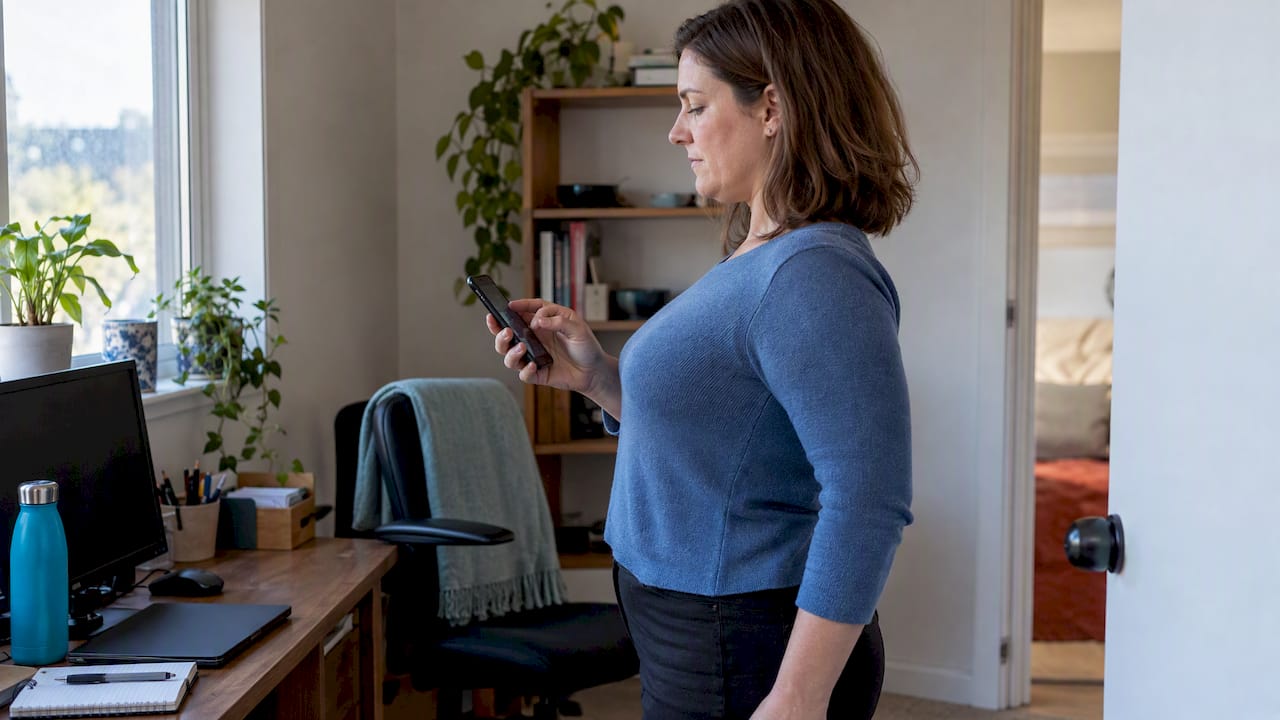
Pro Tip: Tie your posture reset to something you already do constantly, like every time you unlock your phone, so the habit builds without relying on memory alone.
If shoulder blade discomfort is part of your picture, our shoulder blade pain relief page has additional exercises and home remedies that complement this plan.
When to see a clinician instead of self-treating
Most rounded shoulder cases respond to consistent home exercise, but a few signs mean it’s time for hands-on evaluation.
- Progressive weakness, numbness, or tingling down the arm.
- Pain that is severe or worsening, or that persists despite consistent self-care.
A clinician can add manual soft-tissue work, targeted joint mobilizations, and an individualized exercise progression, which often speeds symptom relief and improves how well you tolerate the home routine when tight soft tissue is limiting your movement. If impingement symptoms overlap with your posture issue, our shoulder impingement treatment page outlines clinic options for that combination.
Our take on pairing home exercise with hands-on therapy
Home exercise does most of the work for most people, but when progress stalls, we offer hands-on techniques like the Fascial Distortion Model and focused soft-tissue therapy. We build individualized plans that pair manual care with progressive exercise to restore function rather than mask symptoms.
— Chris
How The Tx Room supports your recovery from rounded shoulders
When a home routine stalls or soft-tissue restrictions limit how far you can stretch or strengthen, we offer hands-on care. Our services are built for exactly this kind of recovery:
- Chiropractic care and soft tissue therapy.
- The Fascial Distortion Model, a hands-on approach we use to target the specific tissue distortions behind chronic tightness.
- Dry needling and MyACT (focused shockwave).

This combination tends to fit people with persistent pain, limited progress despite consistent home exercise, or complex soft-tissue restrictions that need direct hands-on assessment. You can book an evaluation through our main services page to see which approach fits your case.
This article is general information, not a substitute for advice from a qualified doctor. Consult a qualified healthcare professional about your own circumstances before acting on anything here.
FAQ
Can you actually fix rounded shoulders?
Yes, most cases improve with a consistent combination of chest stretching and posterior shoulder strengthening done several times a week. A 2024 meta-analysis found that programs combining both approaches produced measurable gains in posture and shoulder function.
What do rounded shoulders indicate?
Rounded shoulders usually point to a tight pectoralis minor paired with a weak lower trapezius, a pattern often driven by long hours of sitting, screen use, or repetitive forward-reaching tasks. Left unaddressed, this imbalance can narrow the shoulder joint space and raise the risk of impingement, according to Harvard Health.
How long does it take to fix rounded shoulder posture?
Most research points to at least 6 weeks of consistent exercise, done 3 to 5 times per week, before you see meaningful change in posture and shoulder function. This timeline comes directly from the 2024 systematic review on therapeutic exercise for postural correction.
What muscle is weak if you have rounded shoulders?
The lower trapezius is typically the weak link, since it normally holds the shoulder blade back and down against the forward pull of a tight chest. Strengthening it alongside pectoralis minor stretching improved rounded shoulder posture more effectively than stretching alone in a randomized comparative study.